
By Tyisha Brown El, Elyssa Tappero, & Ethan Weller, Washington Emergency Management Division
Washington State Emergency Management Division (WA EMD) is excited to announce that as of March 2026, the United States Tsunami Alerting Analysis is complete and has been approved by the National Tsunami Hazard Mitigation Program’s (NTHMP) Warning Coordination Subcommittee. This first of its kind document is the culmination of 3 years of close collaboration between participating NTHMP state, territory, and federal partners to provide a comprehensive assessment of how tsunami alerts are received, interpreted, and acted on in the United States. Conducted by WA EMD on behalf of the National Weather Service (NWS), the analysis reflects a coordinated effort across NTHMP partners to better understand current systems and identify opportunities for improvement.

Tsunamis remain one of the most time-sensitive hazards in the United States. Coastal communities may have hours to respond to distant events or, in the most severe cases, only minutes before the first waves of a local tsunami arrive. Millions of people living, working, and visiting tsunami hazard zones rely on timely alerts and clear protective action messaging when these events occur. Effective alerting systems are critical to reducing loss of life – but like any system, they must be understood and assessed before they can be improved. The United States Tsunami Alerting Analysis provides the foundation for this assessment by documenting how tsunami alerting systems currently function and identifying gaps, needs, and challenges that affect alert reception and dissemination and response decision-making.
The Analysis is organized around three core components of tsunami alerting: Coverage, Capability, and Content. Across these components, the Analysis highlights both strengths as well as gaps and needs, which represent opportunities for improvement. The highest-priority gaps and needs form the key recommendations of the Analysis:
Coverage: High Priority
- Incorporate state and territory Wireless Emergency Alerts (WEA) polygons to improve alerting coverage
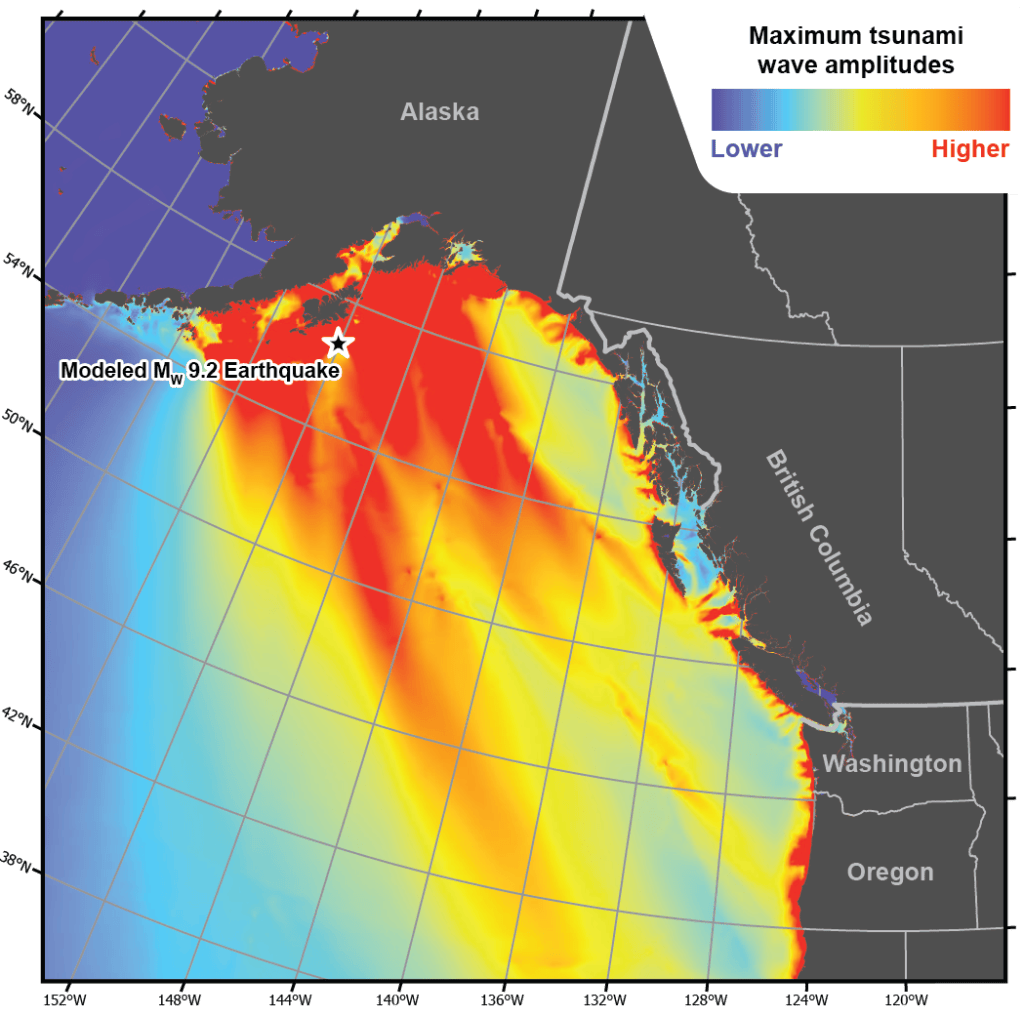
- Develop a Cascadia Special Procedure Area in the Advanced Weather Interactive Processing System (AWIPS) Tsunami Operations Messaging Service (ATOMS) threat database to improve alerting coverage and capability
- Develop capability for Guam and Commonwealth of the Northern Mariana Islands (CNMI) to use WEA/Integrated Public Alert and Warning System (IPAWS)
- Develop guidance on the National Oceanic and Atmospheric Administration (NOAA) Geostationary Operational Environmental Satellites (GOES) changes to maintain Emergency Managers Weather Information Network (EMWIN) functionality
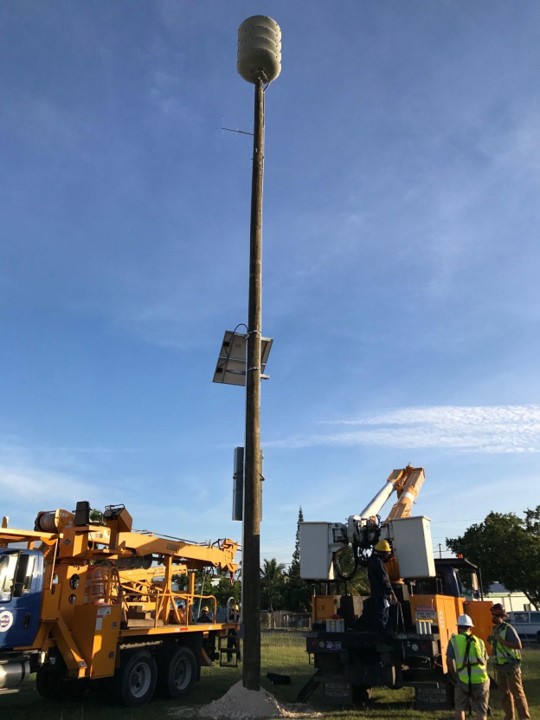
- Develop remote activation capability for tsunami siren systems
- Develop additional breakpoints to address alert coverage gaps
- Expand WEA and NOAA Weather Radio (NWR) coverage
- Improve forecasting capability for the inner coast
Capability: High Priority
- Establish standardized siren activation procedures
- Expand duty officer training for tsunami alert decision-making
- Standardized tsunami plan training, testing, and exercises across states and territories
- Develop and maintain social media training and canned messaging for tsunami alerts
Content: High Priority
- Improve message translation capability for tsunami alerts
- Develop operational forecast sheets to support tsunami decision-making
- Update or create distant tsunami response plans
- Provide standardized forecast information through National Tsunami Warning Center (NTWC) tsunami event data products
- Updated wave amplitude in tsunami bulletins
- Clarify or remove use of “danger still being evaluated” in tsunami messaging
- Update WEA message language to improve public understanding (COMPLETED)
To address these gaps and needs, the Analysis includes a structured implementation strategy that outlines key steps, responsibilities, and estimated timelines necessary to successfully implement solutions. The implementation strategy is organized by priority level to provide a phased approach that supports near-term improvements while also identifying longer-term efforts that may require additional coordination or resources.
As this work moves forward, the focus remains on improvement, not perfection. This is meant to be a living document that will be updated over time. It captures the current understanding of tsunami alerting systems and gaps. The goal is to provide a shared foundation that supports continued improvement across the tsunami community. Strengthening tsunami alerting systems will help ensure that alerts are timely, actionable, and clearly understood, supporting faster decision-making and saving lives.

 TsuInfo Alert Home